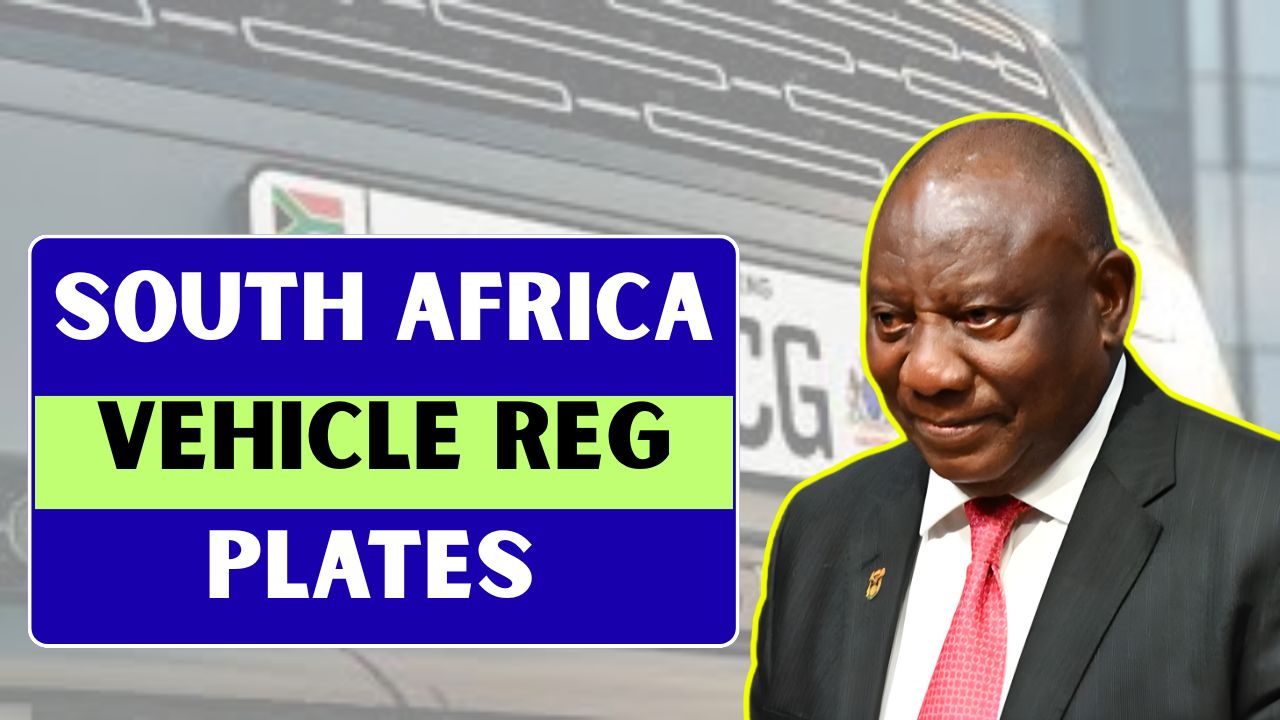
Car license plates play a significant role in identifying vehicles travelling on the roads of South Africa. They serve legal, administrative, and safety purposes because they enable authorities to keep track of the owner, registration number, and roadworthiness of each vehicle respectively. Having the knowledge of how the plates operate will consciously or inadvertently help car owners in ensuring they do not flout road regulations that will result in punitive measures being meted out on them.
Purpose of Vehicle Registration Plates
License plates serve as a unique identifier for each motor vehicle. They are inextricably linked to the registered owner, and provide at-a-glance details valuable to enforcement agencies and insurance companies. They are also vital tools for traffic control, crime prevention, and accident records, hence constituting the life force of the road safety system in many respects.
South African Registration Plates’ Composition
The registration plates from South Africa usually include a mixture of letters and numbers. The layout may consist of some numbers and further letters signifying the province that indicates where the vehicle is registered. Each province has its own unique number, which helps identify a vehicle’s origin rapidly. The design and layout may vary a bit, depending on the province, but the core function will remain the same.
Provincial Codes and Meaning
For South African number plates, provincial codes have strong importance as they mark the initial registration of the vehicle. Gauteng, Western Cape, KwaZulu-Natal, among others, each has a different letter combination representing the provinces. This system makes for efficient administration and bodes well for the standard formula to be upheld in the future.
Different Types of Registration Plates
South Africa has a number of licenses for its motor vehicles under different kinds and classes. These are private plates, commercial plates, government plates, and some plates for trailers and motorcycles. Each one is regulated in terms of size, color, and style as to provide for utmost visibility and unity.
Legal Requirement for Number Plates
It is obligatory for drivers to exhibit their registration numbers as clearly as possible. The plates themselves are illegal if they have been tampered with or in any other way made unreadable. Any form of number plate that falls into the aforementioned brackets will command a government fine. Both legal and technical requirements ensure that penalties as hitherto are nigh automatic. Staying compliant assures harmony with road laws.
Significance of Compliancy
Motorists take greater satisfaction in lawfully following the provisions of the South African National Road Traffic Acts concerning number plates. Proper identification plates such as number plates help in making driving a pleasant experience by obviating circumstantial dangers to road safety, and they contribute further to amicable dealings with motorists devoid of legal incongruities. Thus, the set of mandatory regulations allows citizens easily to keep a roadworthy, full-fledged and ‘legal’ (i.e. acceptable at the level of legal recognition) vehicle.