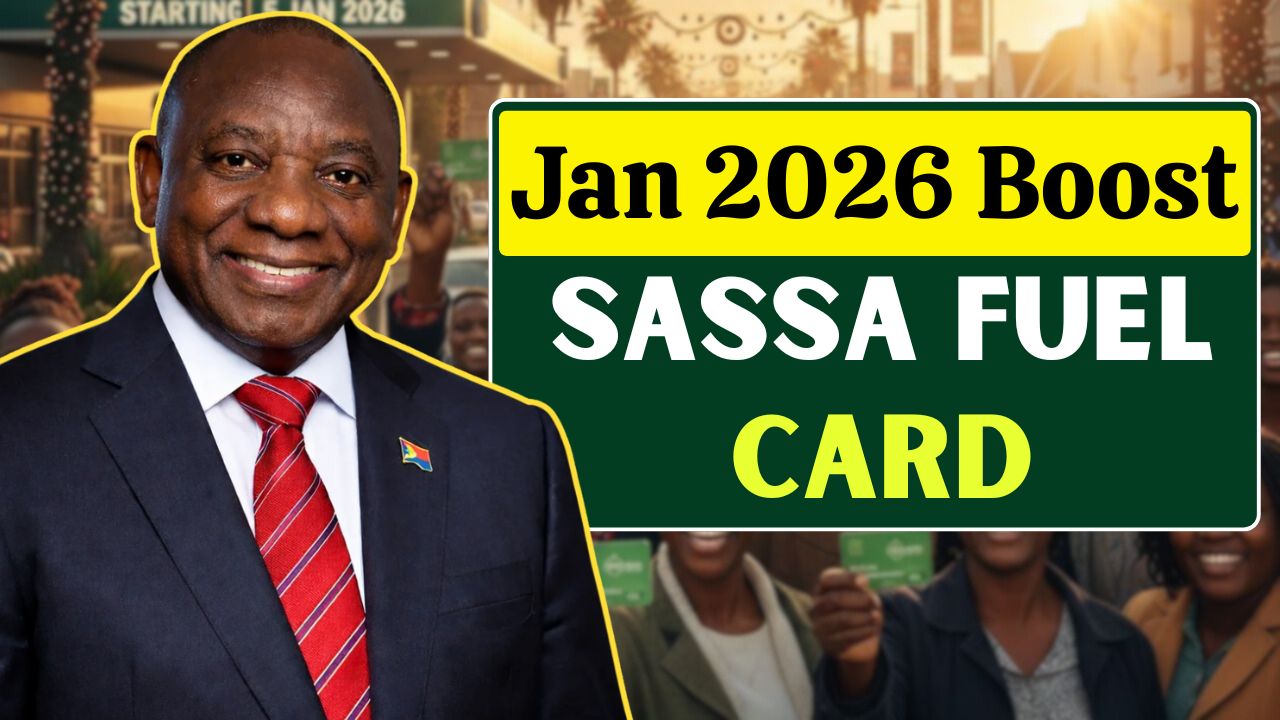
During December 2025, the committee was discussing the introduction of a fuel card for SASSA beneficiaries. The interim objective is some relief upon bemontthly fuel-related savings of up to R450 for beneficiaries who primarily travel to perform work, attend medical appointments, and care for others.
What Fuel Cards under SASSA mean.
The support renders more on how to pass fuel relief to beneficiaries rather than a money payout. Under the proposal, eligible beneficiaries would receive a monthly fuel allocation strictly used for transport-related expenses. This treasured dollar in assistance is to be spent on mobility needs only, thus reducing the ratchet effects that fuel price perturbations put on the individual’s household budget.
Why Fuel Assistance Is Being Considered
Rising gasoline prices do not bode well for poor households as transport encompasses a massive chunk of their monthly budget. These rising fuel prices directly impact taxi fares, private vehicle operations, and also the accessibility of services of utmost importance to them.
Across the spectrum, policymakers and social development workers believe that the targeted, empowerment-promoting fuel support measure would preserve the inflation-driven transport costs from eating into the financial gains expected in terms of cash grants
Who Would Be Eligible?
This fuel card is envisaged to target those who receive SASSA payments, aimed particularly at those who have an evident need for transport. It could include people with disabilities, those who are carers, and beneficiaries who need to travel regularly for medical treatment or job opportunities. Rules on who would qualify would be confirmed once the actual program design is finalized.
How the Process Works
Once introduced, the fuel card will likely be integrated with the current SASSA system. Beneficiaries will apply through normal SASSA channels with verification from current grant data and the attached bank details. Upon approval, fuel allocation can be granted monthly with an integrity monitoring system to guard against misuse.
Impact on the Household
Up to R450 could do wonders for many households, particularly those that are already cash strapped. The more affordable transport grants access to healthcare opportunities, jobs, education, and also makes life easier by way of lightening the pressure on household expenses, including food and electricity.
What should Beneficiaries do?
While awaiting final set details with regard to confirmation and the commencement date, beneficiaries should focus on enhancing their personal and bank accounts up-to-date with SASSA. It will be vital to keep abreast with official announcements for faster access should the fuel card be rolled out as of January 2026.
In the year that enters a course of greater economic pressure, the proposed SASSA fuel card becomes a symbol and realization of a bigger and more targeted and practical effort to be done today. It could be a critical instrument in managing transport costs in 2026 and assisting in protecting South Africans from the menace of constraints on personal and household support services.